Sport · Windsurfing
Windsurfing
SUI-39
The Longboard
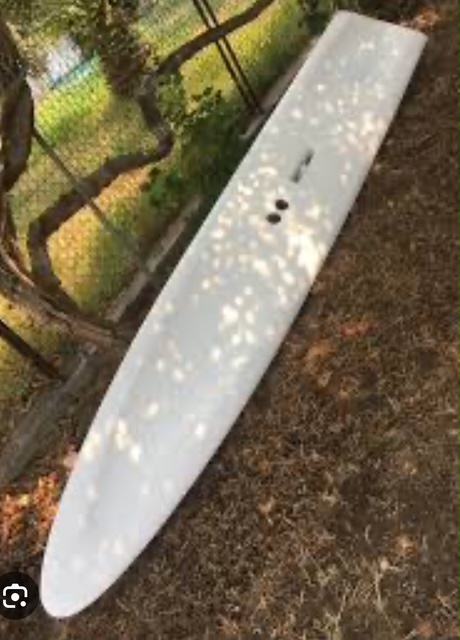
At the beginning there was the longboard. Some of you may still remember them: huge, heavy boards that had very little in common with modern equipment – more a sailingboat than a windsurfer. In light winds, however, these boards were excellent. My first experiences were on a HiFly – 3.5 metres long and probably 20 kilograms heavy. Together with my father I learned windsurfing at a very early age. For me this sport is almost like walking – deeply rooted in my DNA. During the first few years, I was mostly along for the ride—usually lying on the back of the board while my father glided across the lake. Sometimes, I would stand between his legs and help hold the sail as best as I could.
Those moments were truly special to me. Even back then, I could feel the magic of windsurfing: the sound of the water rushing by, the power of the wind, and the sense of freedom out on the lake. Without realizing it, those shared sessions laid the foundation for a passion that would stay with me throughout my life.

After two years as a passenger I had enough of simply riding along. I wanted to take control myself. My father surprised me with one of the first children's rigs available at the time and I was finally able to start windsurfing on my own. Here you can see me during my first attempts at windsurfing on my own. It already looked quite promising, but it was only the beginning of a great love. I was six years old, in the summer of 1983, just a few weeks before my seventh birthday. From that moment on, there was only one thing I wanted: to stand on my board, feel the wind in my hair, and enjoy the incredible sensation of gliding across the water. Whether there was plenty of wind or hardly any at all, every free minute drew me to the lake. In fact, I was almost always on the water. With every session, I improved, and before long I was ready to move on to smaller boards and larger sails.

The next milestones were learning to use the foot straps and the harness. Together with my windsurfing friends from the surf club, I spent countless hours on the water. We were a fantastic group, united by the same passion, and shared many unforgettable experiences. Most of all, we had an incredible amount of fun.
Every summer, my surf club organized the legendary Surf Rally. It was an incredibly fun event, but one thing was clear to me: I wanted to win.


And that's exactly what I did. I was about ten or eleven years old when I was finally allowed to take part for the first time—and I managed to win the Surf Rally right in my debut appearance. It was a moment I will never forget and one that made my passion for windsurfing grow even stronger.
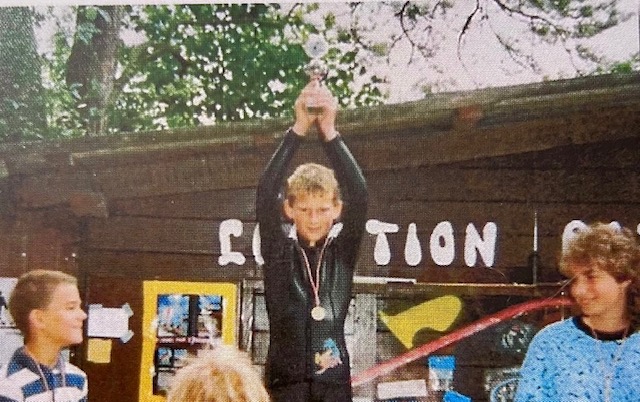

This photo was taken when I was about twelve years old. It was an excellent day with strong Bise winds on Lake Neuchâtel. The difference compared with the previous years is clearly visible: the board was smaller, and the sail was already more modern. Throughout the years, windsurfing remained my greatest passion alongside winter sports. Of course, it was always important to me to share my time on the water with my windsurfing friends.

By the age of fourteen, I had already reached a very good level. Jumps, including my first attempts at front loops, cheese rolls and table tops, became part of every session. When the Bise is blowing, Lake Neuchâtel at Yvonand offers excellent jumping conditions. The waves can reach up to two metres, and the wind and wave directions line up very well. Practising hard at every opportunity steadily improved my skills, and before long my board became even shorter and more demanding to ride. In this photo, I am riding my first F2 Revolution.
In the next photo, I am in the foreground, with my best windsurfing buddy, Sacha Brand, in the background. Those were days I will never forget. We had so much fun, did plenty of crazy things and, of course, constantly pushed each other to improve. Sacha is two years older than me and had a certain advantage in terms of strength and skill. That was great for me because I wanted to be better than him, and it helped me learn very quickly.

Unfortunately, I cannot find any action photos of me windsurfing from the following years up until I turned nineteen. I was spending more and more time in the snow, my father was no longer standing on the beach taking photos – and then came the long break. Over the next 26 years, I windsurfed only a handful of times. But my love for windsurfing never died. It continued to lie dormant deep inside me – until that fateful day on 3 February 2022, when I was buried by a massive avalanche and survived only through an extraordinary stroke of luck. A few weeks later, I decided to start windsurfing again.
The Way Back
Spring 2022: I bought a selection of second-hand windsurfing equipment and spent every free minute on the lake whenever there was wind. The first sessions took some getting used to, as board and sail design had changed significantly over the years. Boards had generally become wider and shorter, while sails had become more powerful – they clearly had more horsepower. The difference was especially noticeable in equipment ranging from freeride to race slalom.
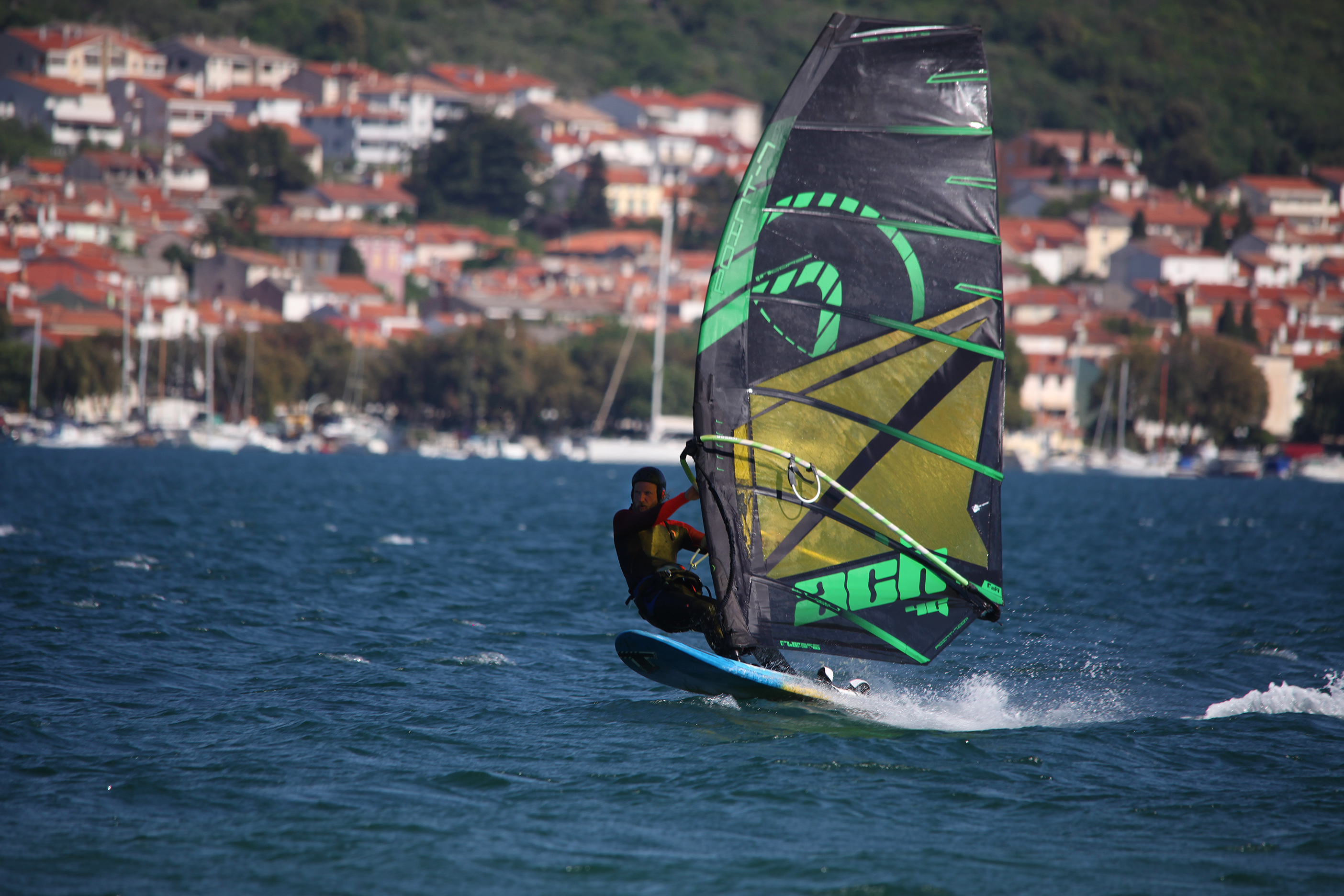
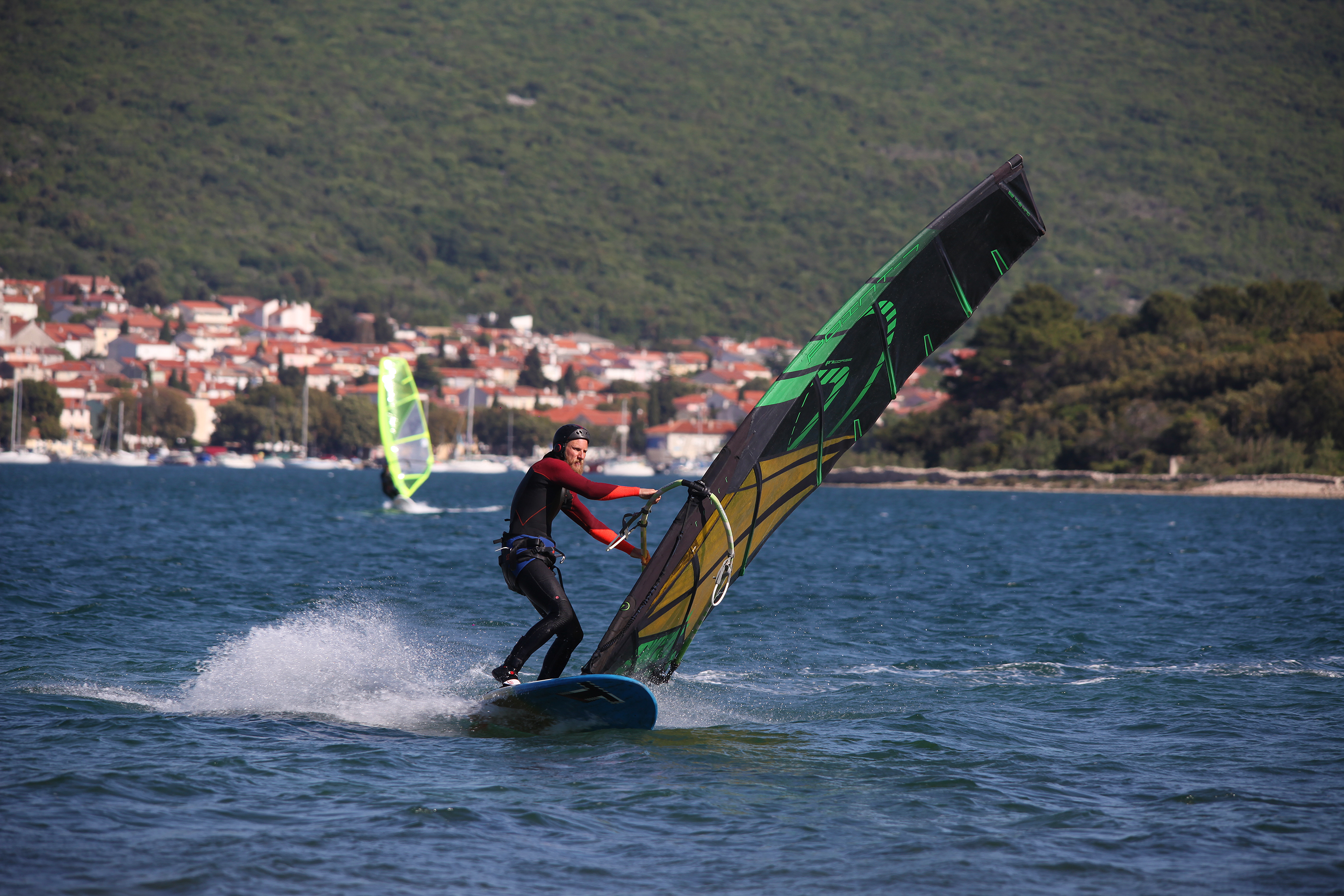
Here I am during a session in Punat on the island of Krk in Croatia, riding a freeride board with a freerace sail. I quickly regained my former skills and was able to progress rapidly thanks to the newer generation of equipment. Before long, I knew: it is like riding a bike – you never forget how to do it. It was also clear to me that I would focus on windsurfing in the years ahead and invest a great deal of time and money in equipment and travel.

Since 2019, we had been spending our summers in southern Slovenia, so it was not far to the island of Krk in Croatia. Whenever there was wind, we drove down, and I windsurfed as much as I could. My gybes were already working really well again, and I was simply having an incredible amount of fun. Then, on a day with powerful Bora gusts – anyone familiar with Croatia knows exactly what I mean – it happened: I broke two ribs. Six weeks off the water. What a pain.

A few weeks later, I was in Sardinia. My ribs had healed, and my hunger for wind was still as strong as ever. My wife is from Sardinia, so we have a place to stay with my in-laws. We enjoy spending several weeks there in both spring and autumn to extend the summer – and, in my case, of course, to make the most of the good winds. Sardinia offers fantastic conditions at countless spots from north to south. The two photos with the blue Gaastra Vapor were taken in Stintino, one of my favourite spots in Sardinia.
During this session in Stintino in autumn 2023, I also met Andrea Cucchi, the head of Point-7, for the first time. We had a great session with some close racing. During a break on the beach, he approached me and asked me to take his equipment out for a few runs and give him my feedback afterwards. The sail was a prototype for the 2024 range.
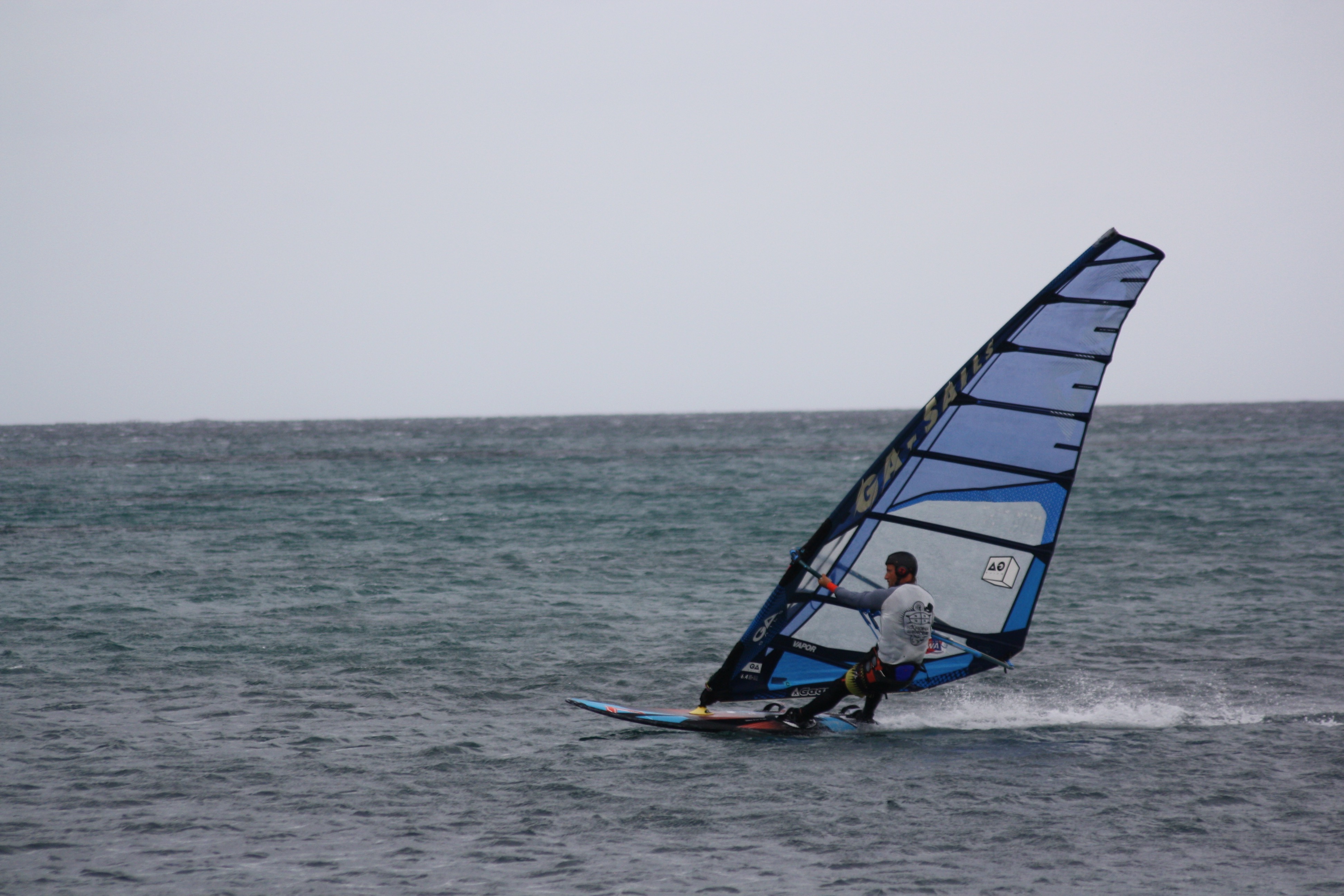
So I tested the equipment and gave him my opinion. We agreed on what could still be improved, made a few adjustments to the sail with tape on the beach and then tested it again. We were both happy with the result and spent some time talking about windsurfing and my background. I already owned a Point-7 sail and was very happy with it. Andrea offered me the opportunity to join Point-7 as a promotional team rider the following year and see where the journey might lead. We stayed in touch afterwards and discussed the next steps.

The following spring, I bought a foil from Bise Noire on Lake Murten in Switzerland. Although I was able to get flying quite well right from the beginning, the gybes were not easy. It took several sessions before I managed to complete my first fully foiling gybe. I had bought a simple beginner foil, which made the learning process much easier. We travelled to Sardinia again, and I continued to practise whenever I could. Foiling is tremendous fun. It is, of course, completely different from windsurfing with a fin under the board, but certainly no less enjoyable. The challenge of mastering foiling is every bit as great. I improved a little with every session, and before long, I felt that I needed a faster foil.
SUI-39
I decided to apply for a sail number again, with the aim of competing in a few national events. I chose SUI-39 because 39 is the sum of all the digits in my date of birth. Finally, the day had come, and I received my first big delivery from Point-7. From that moment on, I was officially a Point-7 team rider. At the time, I had no idea where my windsurfing journey would eventually take me. Having fun was my main priority – and that is still the case today.


Ever since my youth, my main focus in windsurfing has been slalom racing. But, of course, jumping is still incredibly good fun. Whenever a good wave builds up in front of me, I simply cannot resist launching off it. The advantage of a slalom board over a wave board is that it is much faster. The higher take-off speed makes it possible to fly a very long way. Is there anything better?!

In the summer of 2024, encouraged by Heidi Ulrich, I decided to travel to La Palme and visit the Speed Beach at Plage du Rouet in the south of France to see it all for myself. At first, I did not dare to try a speed board. Several weeks passed before I returned to La Palme for my second trip and finally decided to attempt my first runs on a 45-centimetre-wide speed board. It worked perfectly from the very first run, without any problems at all. With every run, I became more confident and faster. But more about that in a moment.
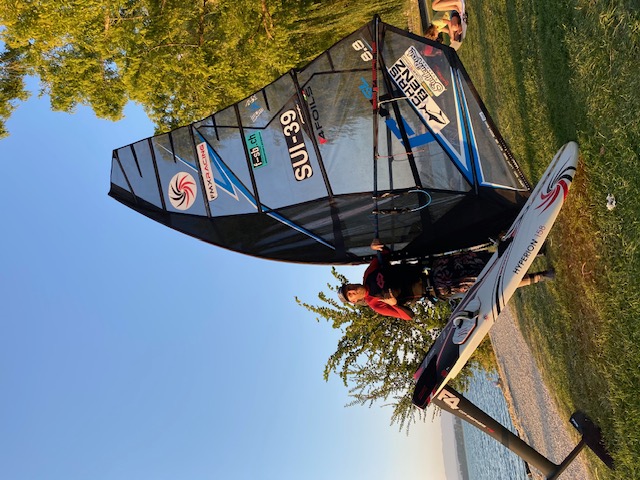
Not only did CHRIS BENZ welcome me into its Ocean Team as my watch sponsor, but in the summer of 2025, I was also able to secure a deal with FMX Switzerland. During several visits to La Palme, I had already recorded some good speeds and begun to attract attention. These sponsorships seemed like a natural progression and would help me pursue my next goals.
F4 Foils also jumped aboard the express train, while Bucher & Walt pledged its support as well.

From then on, I was fully equipped with the latest gear, and my skills improved significantly once again.

For me, the greatest honour – and, in a way, a true accolade – was being welcomed into the CHRIS BENZ Ocean Team. With teammates such as Björn Dunkerbeck and Antoine Albeau, I find myself in exceptional company. Together, the two of them have won an incredible 69 world championship titles: 27 for Antoine and 42 for Björn. What extraordinary numbers! Naturally, they both rank among the fastest windsurfers in the world. Antoine holds not only the 500-metre world record in Lüderitz, but also the nautical-mile world record in La Palme, France.
And so the story continued. In the next chapter, I will tell you more about speed windsurfing.
Speed Windsurfing
In the summer of 2024, I travelled to La Palme for the first time, following the encouragement of Heidi Ulrich, who was then the fastest woman in the world. Speed windsurfing had been a childhood dream. Now I was surrounded by the best in the world and filled with adrenaline.
During my first visit, some of the top speed windsurfers wanted to put me straight onto a speed board. However, I declined – out of respect, or perhaps also a little fear. Instead, I blasted around on my 98-litre slalom board and reached some remarkable speeds. I was faster than ever before: over 37 knots.
After two nasty crashes, I returned to my wife and daughter in Sardinia with considerable back pain. However, it was not long before I wanted to return to the speed beach. I had caught the speed windsurfing bug and was determined to give the 45-litre speed board a try.

In September, I travelled to the Prince of Speed event, known as POS. Roger Ornvang, a Swedish speed windsurfer and speed kiter, was there again. His offer to lend me his AV speed board still stood.
I seized the opportunity on the first day and began by practising a few starts. A reliable water start is essential when you are caught in more than 40 knots of offshore wind, somewhere the water is too deep to stand. But everything worked perfectly.
After a few cautious tests of around 100 metres to find out how well the tiny fin kept the board on course, I was soon flying along the beach. With every run, I became a little faster. By the end of the second day, my GPS showed almost 39 knots over two seconds and nearly 37 knots over 500 metres. Roger said that was excellent for my first time. He allowed me to keep the board and matching fin on loan so that I could continue practising.
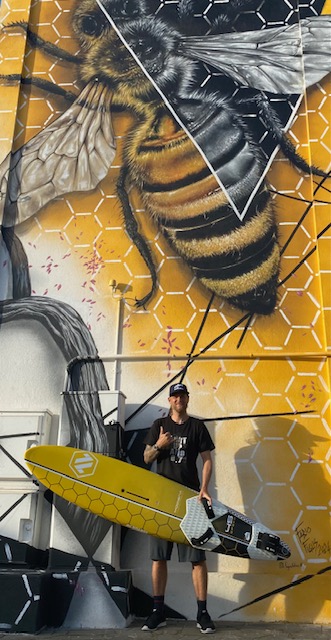
The break from speed windsurfing was to last longer than expected. Back in Sardinia, my everyday windsurfing routine resumed: blasting on slalom gear and foiling were once again on the agenda. There was nothing wrong with that – quite the opposite. I was living the dream of many people and could windsurf every day. By mid-November, however, it was becoming colder even in Sardinia, and winter announced its arrival with rain and storms. The easy-going days were over. There had been no strong Tramontana in France for quite some time, and the temperatures were definitely too cold to sleep in the surf van. So it was time to return to Switzerland – to my winter quarters and back to work.
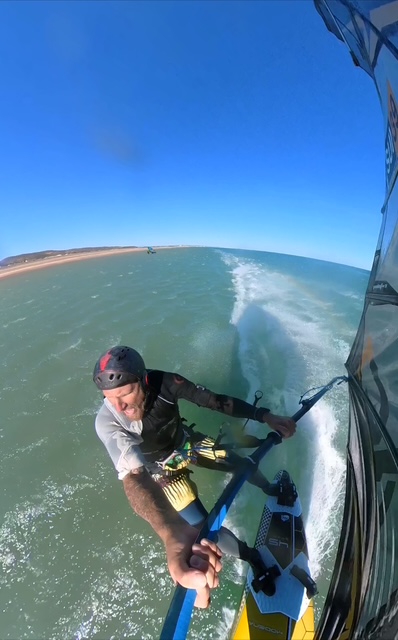
The winter was long and cold, but thankfully I was able to work on the interior of a chalet in beautiful Gstaad. It was not all bad – yet the same images of speed windsurfing kept playing over and over in my mind, almost day and night. It took a great deal of patience, as it would be April before I could return to France. In the meantime, whenever I was not working, I went powsurfing. You can read more about that in the Powsurfing section. ;-)
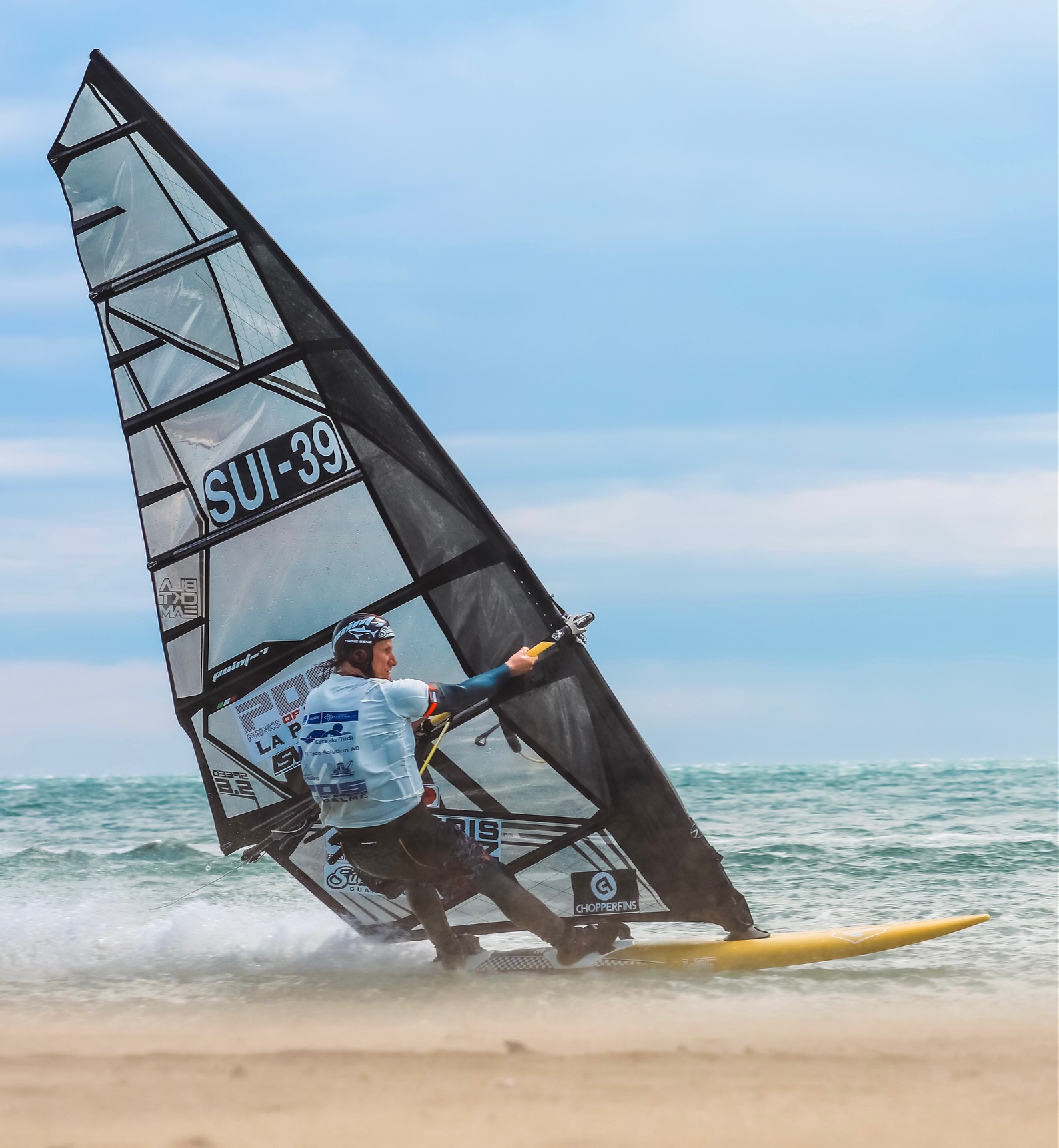
Finally, the time had come: the Speed Windsurfing World Championships were being held in La Palme, France, in April. Principe Baldini organised the event and, as he believed I was fast enough, I was allowed to enter. I had spent my entire life doing sport – a great deal of it, across numerous disciplines and at a good or very high level. But I had never before had the opportunity to compete in a world championship. So I arrived at the beginning of April to give myself some time to acclimatise before the event began.
At the World Championships, the aim is to achieve the highest average speed over 500 metres. The first day went extremely well. I held 27th place in the provisional rankings and was only 1.5 knots behind tenth place. I was convinced that I could step it up another gear the following day – but things were to turn out differently.

The following day, and throughout the days that followed, the wind was too light. It would take more than a week before the next strong Tramontana arrived. At the same time as the World Championships, a PWA event was being held in Guadeloupe. The delay caused by the lack of wind in La Palme worked in favour of the PWA professionals, who travelled directly from Guadeloupe to La Palme after the event. When the World Championships could finally resume, the field had grown to include several major names, among them Matteo Iachino, Cédric Bordes and other top riders.

On the second day of competition, only one heat could be completed once again because of the light wind. The wind was simply too weak, and I was using a sail that was too small. I had misjudged my equipment choice and managed to reach the finish buoy on only one of my runs. However, at least two valid runs are required to receive a result. As a result, I recorded a DNF on the second day.
The third day of competition was much the same for me. Overwhelmed by the congestion among the 70 competitors, once again using a sail that was too small and also having some bad luck with the wind, I was unable to repeat my performance from the first day and dropped far down the rankings.
I learned some expensive lessons, but I achieved my goal of not finishing last. Placing 35th out of 50 ranked riders was acceptable and left plenty of room for improvement. Of course, it was disappointing that I could not repeat my first-day performance during the other two days of competition. But that is how it goes – next time will be better.
Competitions were never really my favourite thing anyway. The great thing about speed windsurfing, however, is that GPS data allows you to compare yourself with windsurfers from all over the world. The data is uploaded to a website or app, where rankings are maintained across various categories.
Windsurfing freely while still being able to compare performances – that is exactly what I love.
Success
Among my greatest achievements are undoubtedly being accepted to compete in the 2025 World Championships and taking part in the event.
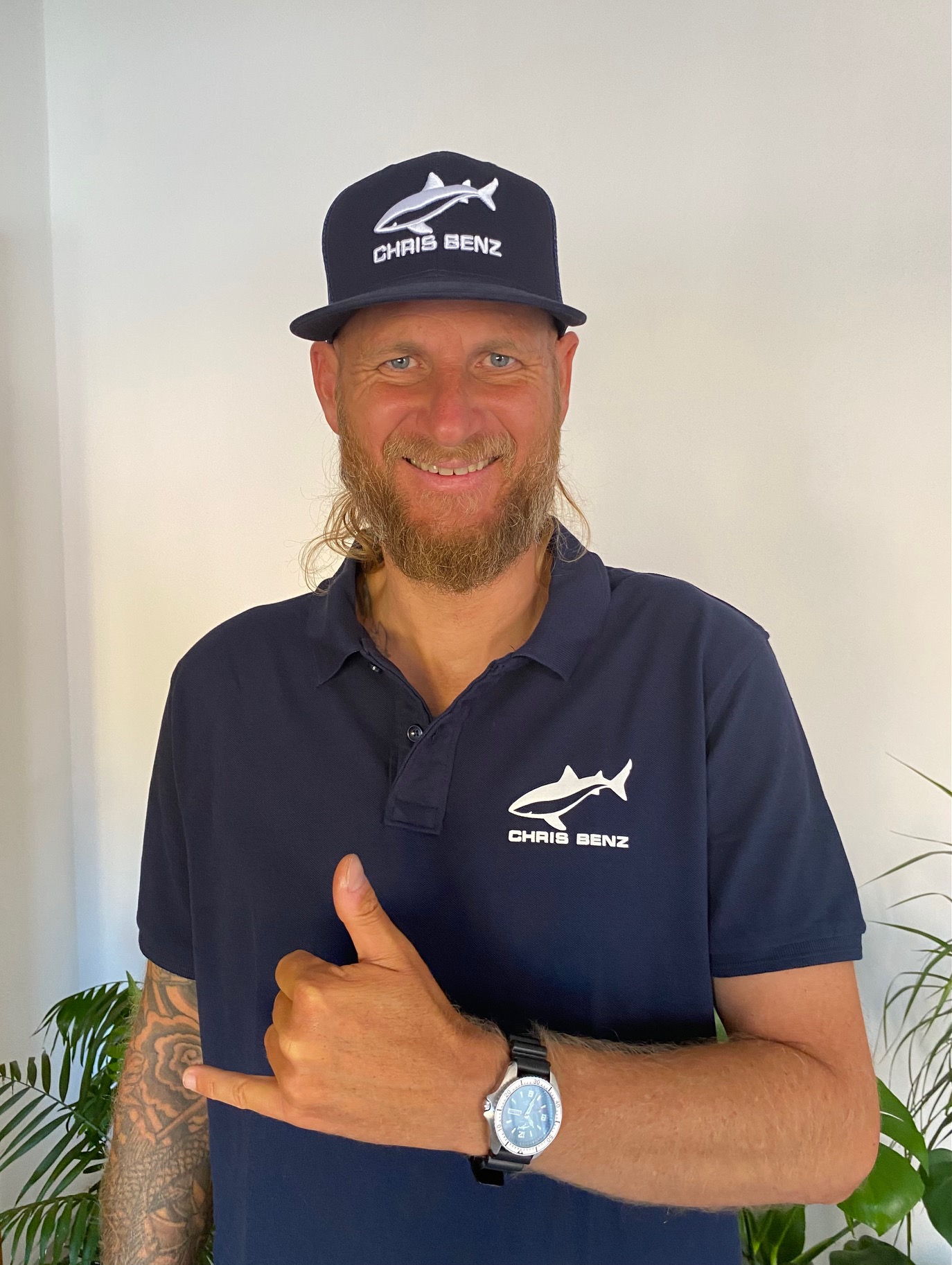
Being welcomed into various teams has also been extremely significant to me: first and foremost Point-7 as my first team, followed by my acceptance into the CHRIS BENZ Ocean Team of CHRIS BENZ Watches – the greatest honour for me. Knowing that FMX Racing, Chopper Fins, Bucher & Walt and, most recently, O’Neill Switzerland are supporting me also means a great deal – especially in an industry facing changing markets, global transportation difficulties and numerous other challenges.
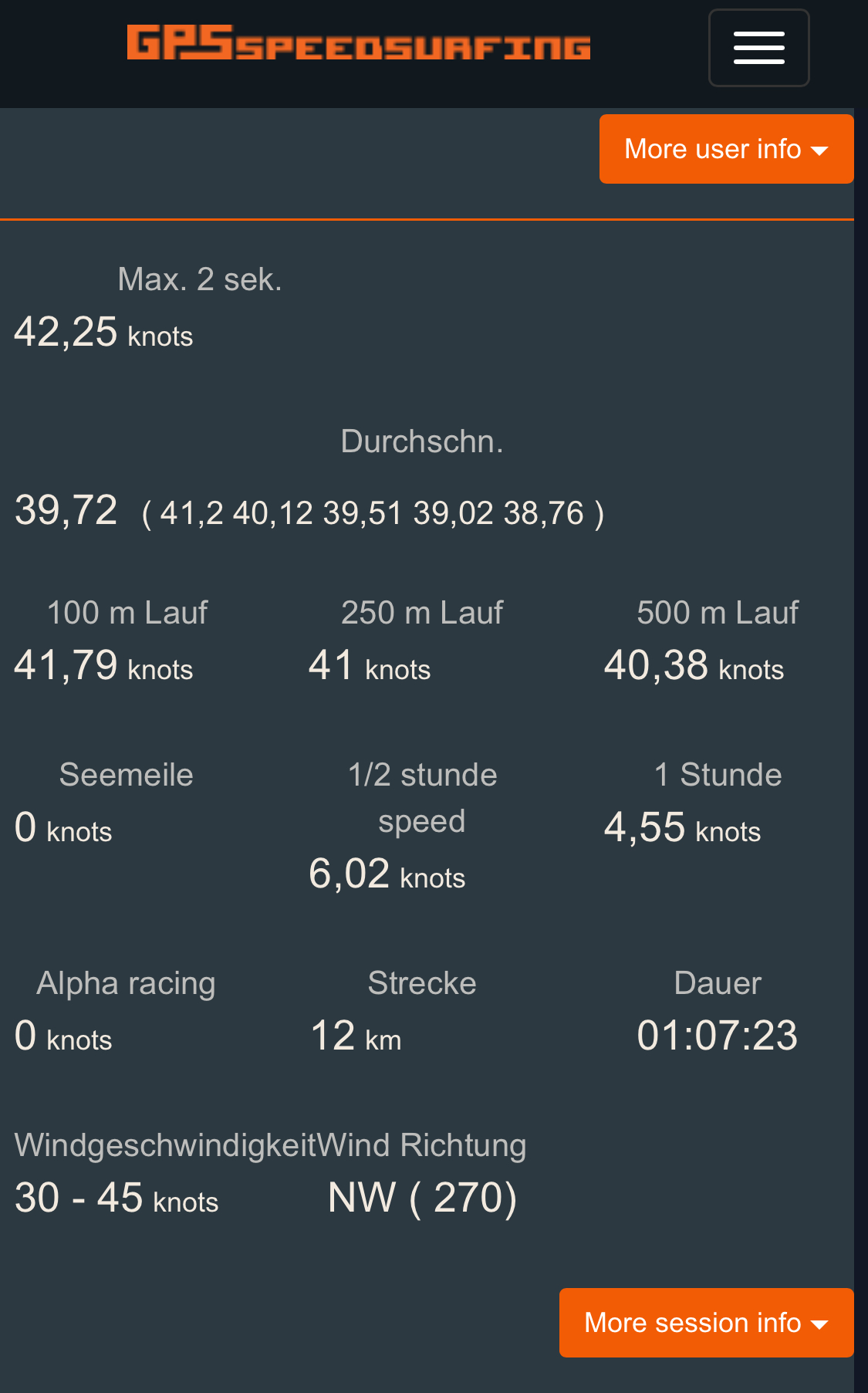
In terms of performance, my first 500-metre runs with an average speed of more than 40 knots rank among my greatest achievements. I recorded my fastest 500-metre run to date in La Palme in September 2025, reaching 40.38 knots. Since then, I have exceeded 40 knots several more times.

In spring 2026, the World Championships could not be held because of the lack of wind. However, as I spent an extended period in La Palme, I was able to train well before the event. During that time, I broke the 80 km/h barrier in top speed for the first time, reaching 43.91 knots. I also achieved my first 5 × 10-second average of more than 40 knots. These performances are important milestones for any speed windsurfer.
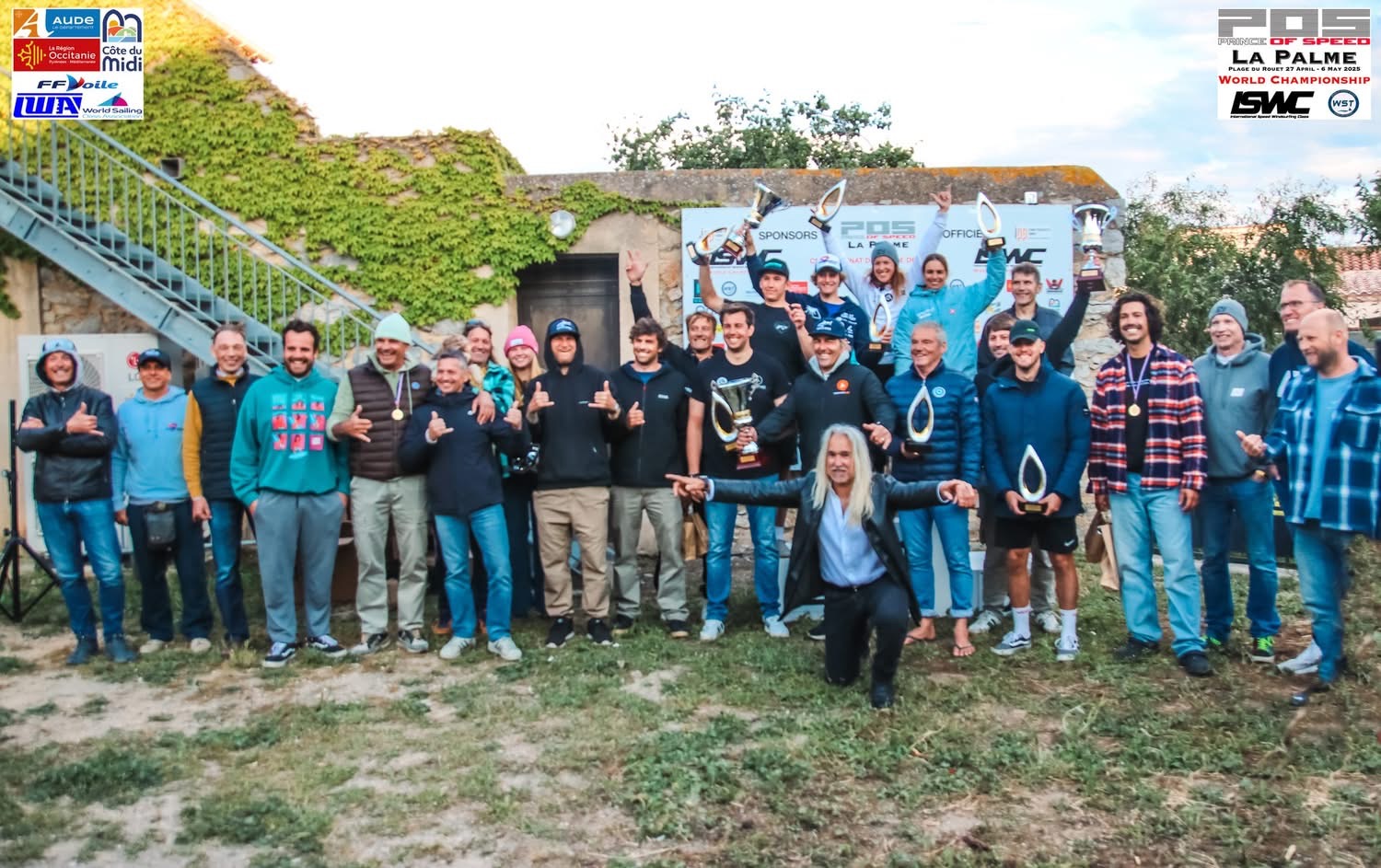
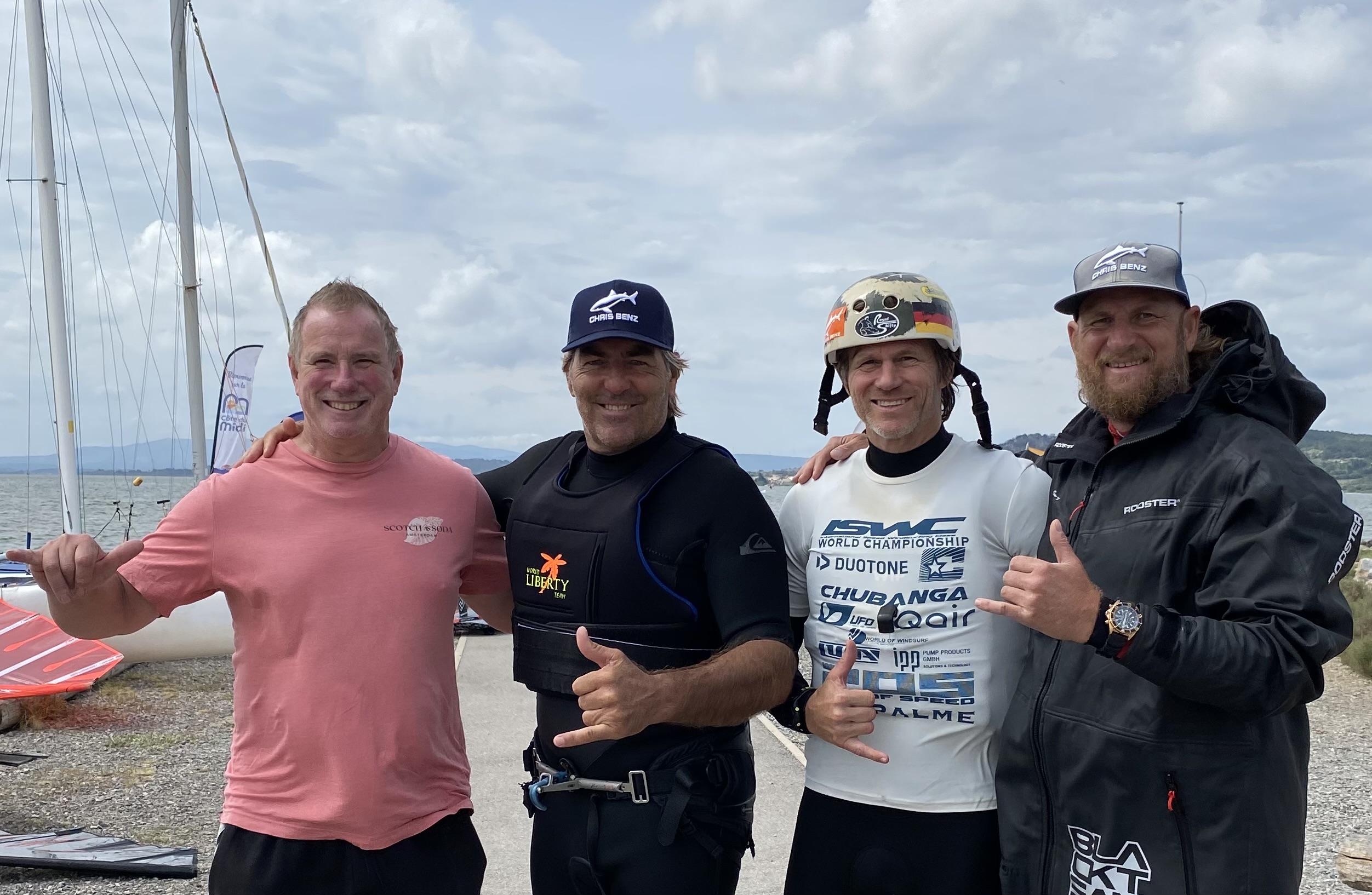
The CHRIS BENZ Ocean Team at the World Championships in spring 2026 – from left to right: Roger Ornvang, Antoine Albeau, Chris Benz and Jan Gyger. Unfortunately, Björn Dunkerbeck was not there. Due to the lack of wind, he did not make the trip. Sadly, no valid result could be recorded in the fin category throughout the entire World Championships. Because the wind was too light, only the foil category could be completed. Nevertheless, as always, we had a fantastic time.
My greatest achievement of all, however, is probably the nautical mile with an average speed of 38.95 knots, which I achieved in July 2026. The run was almost perfect, and I fell only just short of the magical 40-knot mark. At 38.95 knots, it is the fastest nautical mile ever recorded by a windsurfer aged between 36 and 50 with a body weight below 80 kilograms – an unofficial world record. During the same run, I achieved an average speed of 41.98 knots over 250 metres. This result placed me 14th in the Summer Edition of the Dunkerbeck Speed Challenge. I also exceeded a top speed of 45 knots for the first time during that run, reaching 45.30 knots, or 83.9 km/h.

The achievements of the past year and a half already feel almost unreal. At the beginning of my journey as a speed windsurfer, I was repeatedly told that it would take years to become truly fast. Yet within barely a year, I reached the milestone of 40 knots over 500 metres. Shortly afterwards came an incredible nautical mile with an average speed of 38.95 knots and a top speed of more than 45 knots. Only a small number of windsurfers have ever reached such speeds.
The icing on the cake of 2026 so far is my current ninth place in the Weighted World Ranking. This means that, in the overall ranking across all distance categories as well as every age and weight class, I currently hold ninth place in the world. With a better Alpha 500 – in other words, a faster gybe – I could move up by at least one, and perhaps even two positions. I will keep working and continue pushing myself for as long as I feel comfortable and the conditions allow. I have set myself some ambitious goals – more about those in the next chapter.
Mission 50/50
Mission 50/50 – 50 Knots at 50
On 27 July 2026, my 50th birthday, Mission 50/50 officially began. The goal is clear: as an athlete over 50, I want to break the magical 50-knot barrier – equivalent to 92.6 km/h on a windsurfing board.
What sounds simple is an enormous challenge. Only around 50 windsurfers worldwide have ever reached this speed. Every additional knot demands better technique, perfectly tuned equipment, physical fitness, mental strength and, above all, the right conditions.
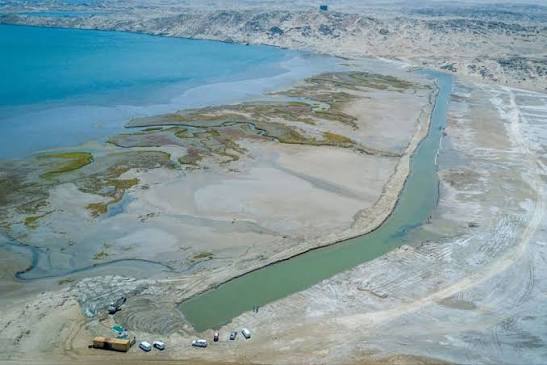
Mission 50/50 documents the entire journey: training, equipment testing, setbacks, international speed events and the preparation for the ultimate challenge in Lüderitz. It is not merely about a number on a GPS, but about having the courage to continue pushing boundaries beyond the age of 50 and pursue a goal that seems almost impossible.
A project at this level is extremely difficult to realise without strong partners. Speed boards, sails, masts, fins and safety equipment must be continuously tested and perfectly matched. There are also travel costs, training camps, entry fees, logistics and the professional documentation of the mission.
My existing partners support me with special conditions. For the next stages – international competitions, further training phases and ultimately Lüderitz – I am looking for additional sponsors and supporters who would like to join me on this extraordinary journey.
Partners of Mission 50/50 are not simply supporting an athlete chasing a number. They become part of an authentic story about a new beginning, perseverance, courage and the determination to overcome apparent limits beyond the age of 50. The journey continuously creates genuine content: training, technical development, successes, setbacks, competitions and the decisive moments on the water.
The mission has no fixed end date. It will end only when the GPS displays 50 knots.
PWA World Tour 2027

The PWA World Tour represents the highest level of international competition in professional windsurfing. With the newly created U80 kg classification, lighter riders have the opportunity to make their performances visible within a comparable weight category.
For me, this classification creates an extraordinary sporting opportunity. In 2027, I plan to compete as an U80 kg rider at selected events on the PWA World Tour. My goal is not simply to participate. Based on my performances so far, I am convinced that I can be competitive in this classification and challenge for the leading positions.
Preparing for the PWA World Tour requires focused training, perfectly tuned equipment and regular comparison with the best riders in the world. It also involves international travel, entry fees, logistics and professional media coverage of the events.
While Mission 50/50 focuses on my personal goal of breaking the 50-knot barrier after my 50th birthday, this project is centred on direct sporting competition.
The 2027 season will show how far I can progress in the international U80 kg classification. I want to use this opportunity to compete against the best and prove that a late sporting comeback can lead all the way to windsurfing’s biggest stage.